
Author: Jonas Strandell

Photo of two teachers discussing at a desk.

Run better drills that build real confidence

Most schools, multi academy trusts, universities and local authorities have safety plans. Far fewer have practised using them in a realistic, respectful and useful way. When pressure rises, people do not reach for a binder. They reach for habits. This guide explains how to design drills that strengthen communication, clarify roles and improve decision-making without creating unnecessary fear. With support from Cosafe Advisory and the experience of Pia Thevselius, you can turn exercises into practical learning that makes everyday incidents and serious situations easier to manage. Drills matter more than plans Drills matter because they reveal how people and systems behave under pressure. A plan can look perfect on paper, but when you first test it, you often discover unclear roles, competing channels and gaps in communication. The goal is not to “catch people out”. It is to build shared confidence, so staff know what to do and how to

Martyn’s Law: A Practical Guide for Schools

Martyn’s Law is an important step towards strengthening safety across the UK. For many schools and Multi-Academy Trusts, a common initial concern is clear: Where do we start? Schools already carry a significant safeguarding and duty-of-care burden. New legislation, however well-intended, can feel heavy on top of everything else. The real task is making Martyn’s Law practical so that, in the first moments of an incident, staff know exactly what to do and communication is clear. This article shows how to make compliance practical, turning expectations into calm, confident routines. What Martyn’s Law means in a school environment The core ideas in Martyn’s Law are straightforward: Risk assessment Understanding your site, your visitor flow, and the situations that could require action. Preparedness Ensuring staff know what to do and how to communicate in the early moments of an incident. Response Coordinating clearly under pressure, without confusion or parallel instructions. Accountability

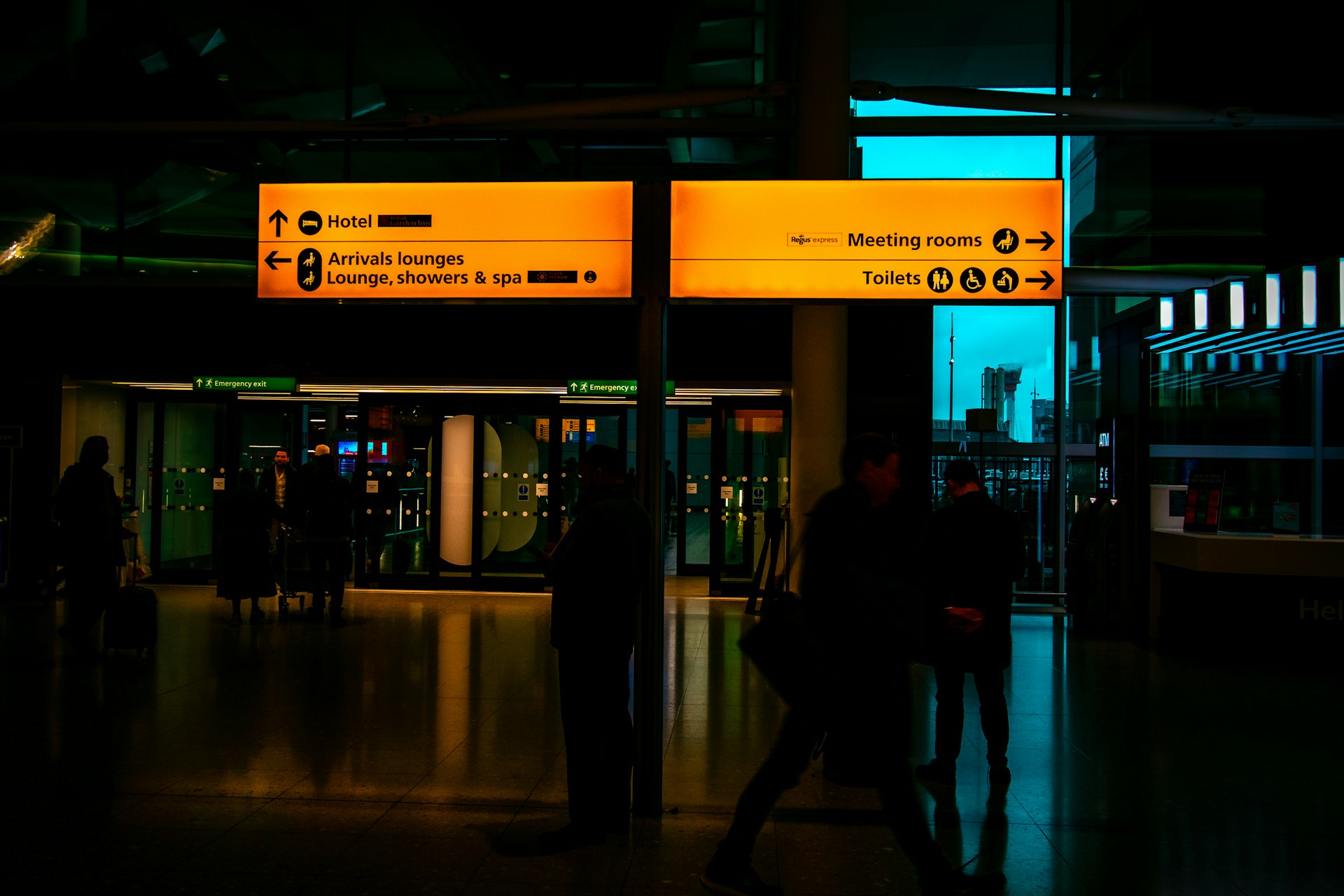
A group of people walking through a terminal at night.

When Systems Fail, Communication Shouldn’t

When Heathrow Airport suddenly lost power this spring, it wasn’t the result of a cyberattack or a storm. A fire at a nearby National Grid substation caused the blackout. Within minutes, one of the world’s busiest airports had to suspend operations. The cause was rare, but the consequences were not. Flights were grounded, passengers stranded, and entire teams suddenly needed to make fast, high-stakes decisions with limited information. An independent review later found that while Heathrow had contingency plans, it still faced major challenges: Overreliance on a single power source. Gaps in rapid coordination. Delayed communication between key teams. The lesson here isn’t just about having plans. It’s about being able to act – together, quickly, and with clarity – when those plans meet reality. The same challenge everywhere Maybe you don’t run an airport, but your organization faces similar risks every day. Power cuts, system failures, threats, or weather

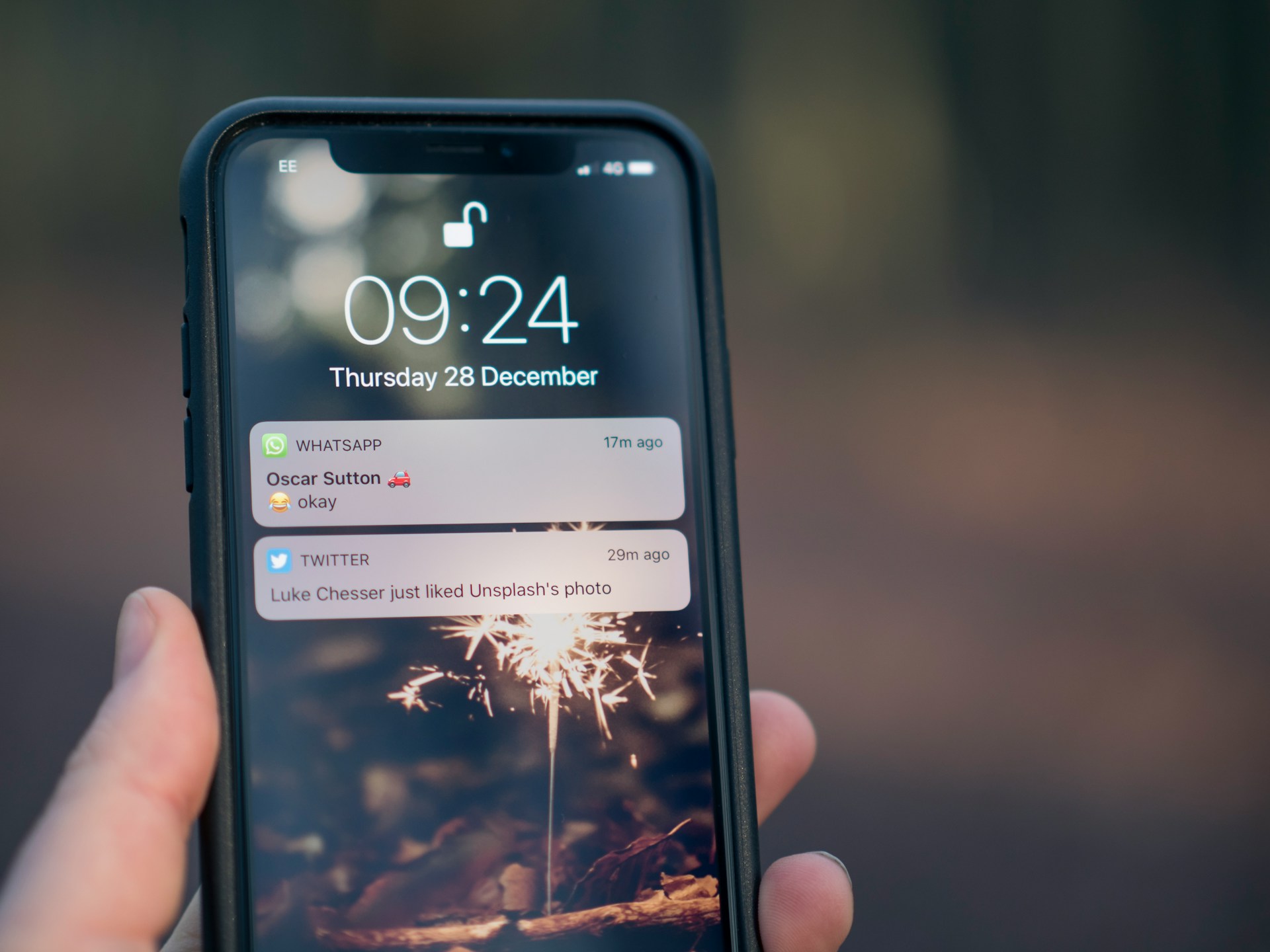
Person holding phone with notifications

5 Critical Reasons UK Schools Should Rethink Teams, Slack, and Whatsapp for Crisis Communication

Digital communication now forms the backbone of school operations. Staff hold meetings via Microsoft Teams, share updates in WhatsApp groups, and collaborate across Multi-Academy Trusts (MAT) in cross-school Slack channels. For most teams, these digital tools have transformed efficiency and productivity. But when the unexpected happens – a safeguarding concern arises, a lockdown needs to be implemented, or a severe weather closure takes effect – these same tools can quickly become a liability instead. In moments where every second counts, the limitations of everyday messaging platforms can delay vital decisions, create confusion, and even compromise safety. Here at Cosafe, we’ve drawn on insights from hundreds of our UK and European education partners to outline five critical reasons why Teams, Slack, and WhatsApp simply aren’t designed for crisis communication – and what educational establishments can do instead to overcome these pitfalls. Here are five reasons schools should reconsider everyday apps: 1.

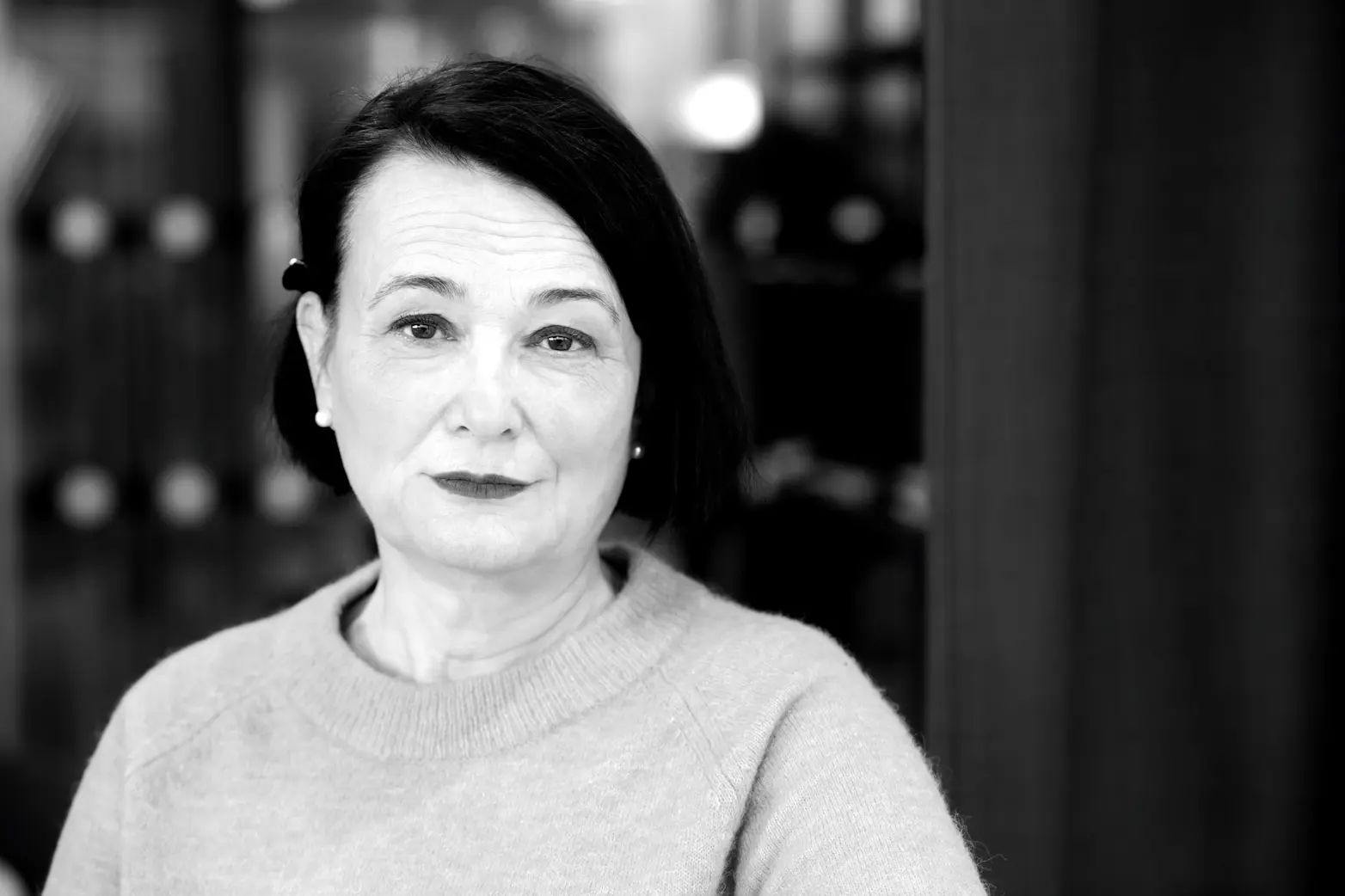
Maria Elmér, Cosafe Advisory

Maria Elmér Joins Cosafe Advisory

Cosafe Advisory welcomes Maria Elmér (formerly of the Swedish National Agency for Education) to the team as responsible for Systematic School Safety Work. We are pleased that Maria has joined Cosafe Advisory, where, with her solid experience, she will play a leading role in education and development within our Systematic School Safety Work. Maria is a national expert and experienced leader in quality development, security, and crisis preparedness in preschool, elementary, and higher education, with over 30 years of experience spanning local to national levels. For the past eight years, Maria has worked as a Teaching Counsellor at the Swedish National Agency for Education, where she has been responsible for efforts in security and crisis preparedness, school manager training, introduction to school governance, and systematic quality work. She has also represented the Swedish National Agency for Education as a press spokesperson on security issues, participated in the Government Inquiry into

Martyn’s Law and What It Means for Schools

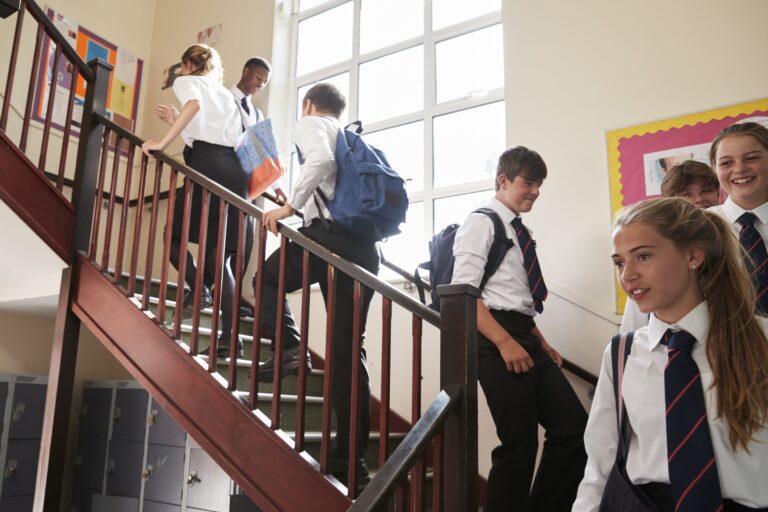
In Tes Magazine, Professor Michael Green explains how the Terrorism (Protection of Premises) Act, known as Martyn’s Law, will introduce new duties for schools, centered on planning, communication and preparedness rather than physical barriers. “The emphasis is on planning, awareness and cultural readiness, rather than fences and barriers.” “Preparedness is not only a matter of compliance; it is also about building institutional resilience.” Most schools will fall under the standard tier and must: Appoint a responsible person Notify the regulator (SIA) Maintain and document evacuation, invacuation and lockdown plans Train staff, test procedures and ensure clear communication during a crisis It’s a reminder that safeguarding, health and safety, crisis response and communication need to work together, not as separate systems. This aligns closely with lessons learned in Sweden, where several tragic school attacks led to a national focus on systematic school safety. Today, Cosafe supports over half of Sweden’s municipalities

Porträtt av Pia Thevselius

Cosafe Launches New Advisory Division Led by Pia Thevselius

To meet rising demand for professional safety training and crisis planning, Cosafe is launching Cosafe Advisory. The division brings together decades of expertise in safety management and offers tailored advisory support, education, and simulation exercises — all under the leadership of renowned security professional Pia Thevselius. For years, we have helped schools, municipalities, and companies strengthen systematic safety work. Rising demand for qualified support led us to unite our expertise in Cosafe Advisory, a division focused on advisory services, training, and exercises. Cosafe Advisory’s experienced advisors support strategy, legislation, contingency planning, crisis and emergency management systems, ongoing deadly violence tactics, training, exercise leadership, and crisis management. The division is led by Pia Thevselius, who brings over 30 years of experience in security work in high-risk environments. Pia served 28 years with the Swedish Police Authority and has worked for the UN, EU, and Swedish Civil Contingencies Agency (MSB), most recently

Porträtt av Pia Thevselius

Pia Thevselius Joins Cosafe as Security Advisor

We are very happy to welcome Pia Thevselius to Cosafe. Her primary role will be to support our customers with her security expertise and to contribute to the ongoing development of Cosafe. Pia brings 30 years of security experience, including 28 years as a police officer. She left the force in 2021 to focus on preventive work. Over the years, she has gained firsthand insight into the importance of crisis communication and holds a Master of Studies in Criminology and Leadership from the University of Cambridge. She has also studied Counter-Terrorism and Homeland Security at the University of Maryland, with a special focus on radicalization and hostile threats. Pia has served in high-risk environments for both the UN and the EU, most recently being seconded by the Swedish Civil Contingencies Agency (MSB) to the Israel-Palestine region. She is part of MSB’s international security roster and is a sought-after instructor in PDV (Pågående

Boka en demo med en av våra experter

Fyll i formuläret nedan för att boka en gratis demonstration.