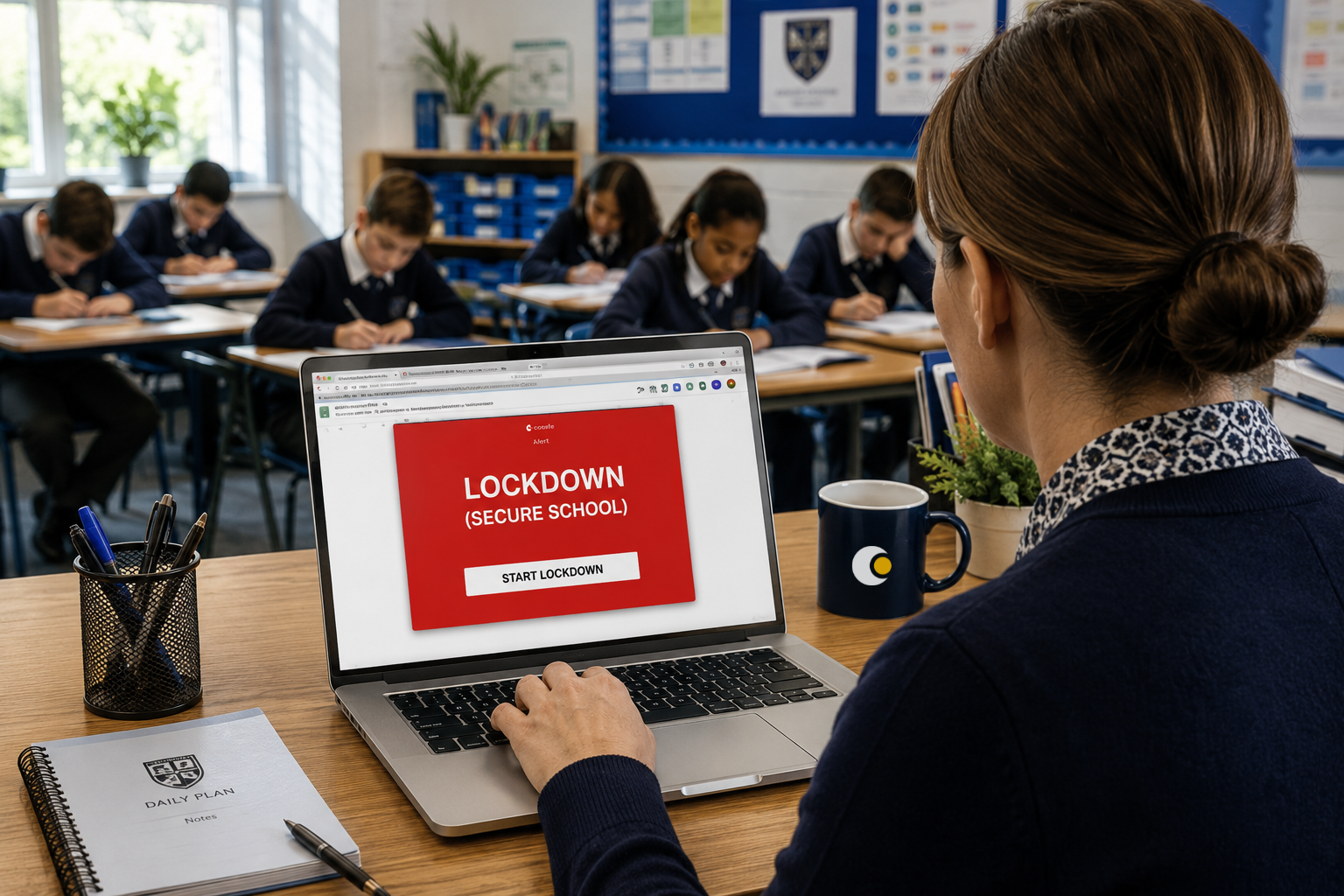
When an incident happens in a hotel, restaurant, pub, or entertainment venue, the real challenge is rarely the event itself.
It’s the delay, confusion, and mixed messages that follow.
A suspicious package is reported near an entrance. A fire alarm disrupts a busy evening service. Severe weather impacts access to a venue. A security incident requires areas of a site to be secured while guests remain inside. In situations like these, staff need clear direction, managers need visibility, and guests need accurate information. Without effective communication, even a well-rehearsed response can quickly become disjointed.
As hospitality organisations continue preparing for Martyn’s Law and reviewing their emergency preparedness plans, communication is becoming a critical part of incident management.
Why Hospitality Emergency Communication Matters
Hospitality environments present unique challenges during emergencies.
Unlike many workplaces, venues are often managing a constantly changing mix of guests, visitors, contractors, suppliers, event attendees, and staff.
Teams work different shifts. Departments operate independently. Some staff may be mobile, while others are focused on guest-facing responsibilities.
When an incident occurs, organisations need to do more than simply send a message.
They need to ensure the right people receive the right instructions at the right time.
Staff may need guidance on lockdown procedures, evacuations, access restrictions, guest welfare, or business continuity measures. Managers need to coordinate responses across departments. Security teams need situational awareness. Guests need clear communication that reassures without causing unnecessary concern.
The challenge is ensuring everyone remains informed and aligned as the situation develops.
When Traditional Communication Starts to Struggle
Most hospitality organisations already have emergency procedures in place.
The difficulty comes when those procedures need to be executed during a fast-moving incident.
Phone calls can be missed. Email may not be monitored. Messaging groups often create multiple versions of the same conversation. Verbal updates become inconsistent as information passes between teams.
As incidents evolve, communication can quickly become fragmented.
One department may receive an update while another continues operating on outdated information. Managers spend valuable time trying to establish what is happening instead of focusing on the response itself.
In larger venues or organisations operating multiple sites, these challenges become even more apparent.
Without a clear and structured communication process, uncertainty can spread just as quickly as the incident itself.
The Growing Importance of Martyn’s Law
The Terrorism (Protection of Premises) Act 2025, commonly known as Martyn’s Law, is encouraging organisations across the hospitality sector to review how they would respond to a serious incident.
While the legislation focuses on preparedness and proportionate protective measures, communication sits at the centre of any effective response.
If an incident occurs, how quickly can staff be alerted?
Can instructions be targeted to specific teams?
How will managers coordinate actions across the venue?
Can communications be recorded and reviewed afterwards?
These are the types of questions many hospitality operators are now asking as they assess their readiness.
What Effective Incident Communication Looks Like in 2026
Modern emergency communication is about more than broadcasting alerts.
It is about creating a coordinated response across the organisation.
In practice, effective hospitality communication relies on several key principles:
- Speed: Critical information reaches staff immediately.
- Targeting: Messages are delivered only to the people who need to act.
- Consistency: Everyone works from the same information.
- Visibility: Managers can see who has received and acknowledged instructions.
- Accountability: Actions and communications are automatically recorded.
When these principles are in place, organisations are better positioned to maintain control throughout an incident.
How Cosafe Supports Hospitality Incident Response
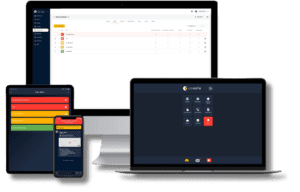
Cosafe provides hospitality organisations with a dedicated platform for emergency communication and critical incident management.
From a single interface, authorised users can send alerts, activate incident procedures and communicate with specific teams, departments or entire venues. Whether responding to a lockdown, evacuation, suspicious person, severe weather event or medical emergency, staff receive clear instructions through a trusted communication channel.
Real-time delivery and acknowledgement tracking gives management visibility over the response as it unfolds, while automatic audit trails support post-incident reviews and compliance requirements. Because communications, procedures and incident records are managed in one place, teams can work from the same information rather than relying on multiple disconnected systems.
Emergency plans are only effective if people can access them when they are needed most. Cosafe embeds procedures, checklists and guidance directly within the platform, helping staff quickly access the information relevant to their role and responsibilities. Updates can be managed centrally and distributed across multiple venues instantly, helping ensure teams are always working from the latest guidance.
By bringing together alerting, procedures, coordination and reporting in a single platform, Cosafe helps hospitality teams respond with confidence, protect guests and staff, and maintain control when it matters most.